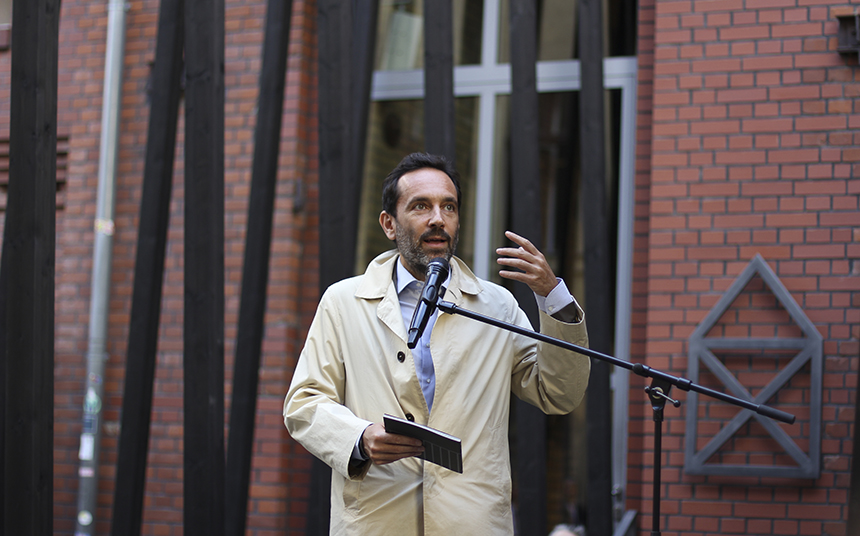
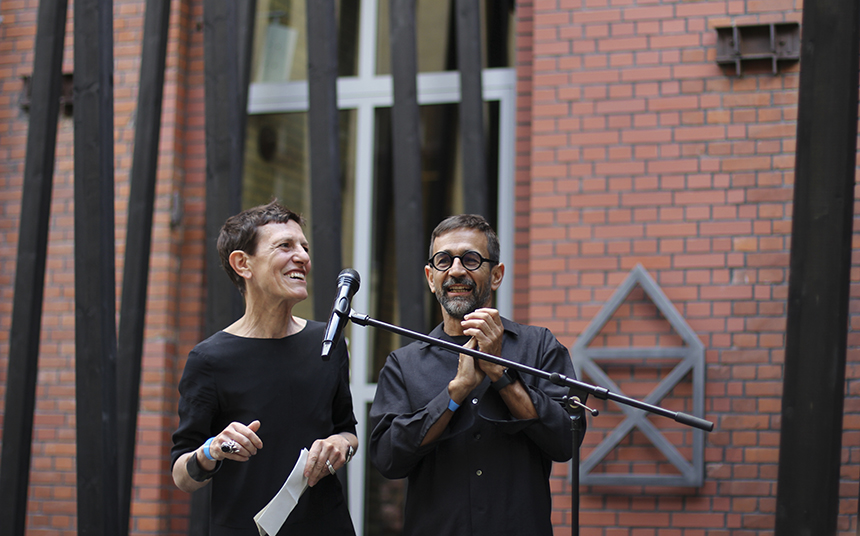
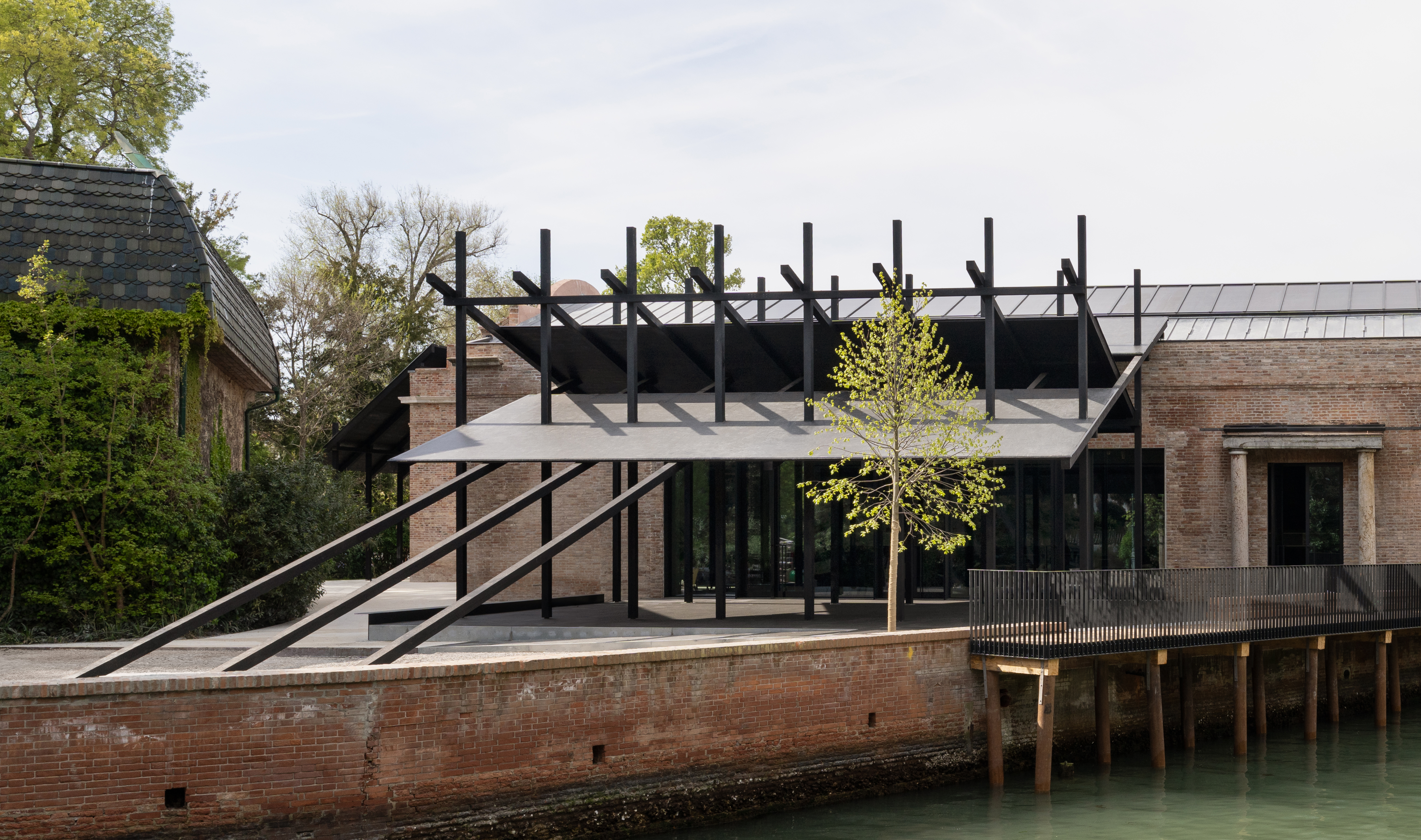
Architecture has always been about defining and constructing limits: between exteriorand interior, public and private, natural and artificial. The form these limits take reflects climatic, social, political, and cultural contexts. Just as in physics, where the concept of a limit raises questions about its extent, so too in architecture the concept of a limit raises questions about its dimensions: it can be a two-dimensional surface or, through thickening, become a three-dimensional space. This directly informs Open, presented by Labics — the Rome-based practice and AW Architect of the Year 2026 — who explore these questions through an installation of porticoes with varying thicknesses that move between inside and outside, creating a hybrid, experiential space. The exhibition rethinks limits not as barriers but as welcoming, connecting spaces – mediating between city and architecture, and fostering social interaction. It argues for restoring architecture’s role in shaping public space and collective life.
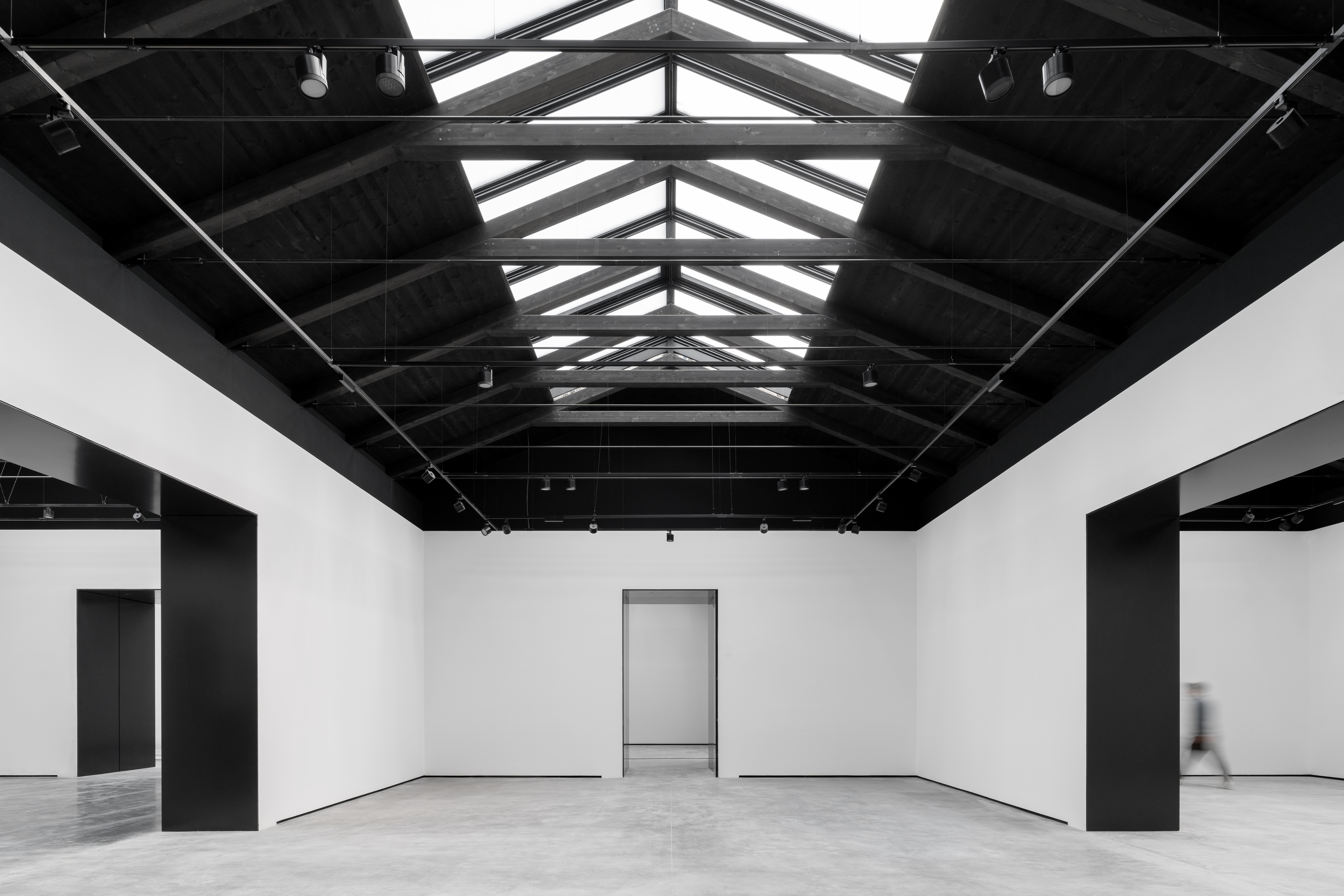
Central Pavilion at the Giardini della Biennale di Venezia, IT © Marco Cappelletti Studio, Courtesy La Biennale di Venezia-MiC
In the history of architecture, and even today, the defined condition of a boundary is widespread and articulated in varied forms and geometries. Cases in which the dimension of the limit expands and dilates to the point of almost blurring its image and opening its form are far rarer. Transforming a boundary from two-dimensional to three-dimensional, regardless of geometry or nature brings about a fundamental shift in the definition of architecture, linked to the openness of the figure. This in turn transforms from a self-contained object into an open and traversable structure; a structure that, by virtue of the expansion of its boundary, merges with the space outside itself.
This shift in meaning also implies a shift in the very concept of a boundary: if the boundary becomes inhabitable, it is no longer a separating frontier but a welcoming space. If the boundary becomes open and porous, it becomes a place that connects different conditions - exterior and interior, public and private, natural and artificial. When the boundary becomes capable of accommodating life, it ceases to divide and instead mediates between architecture and the world.
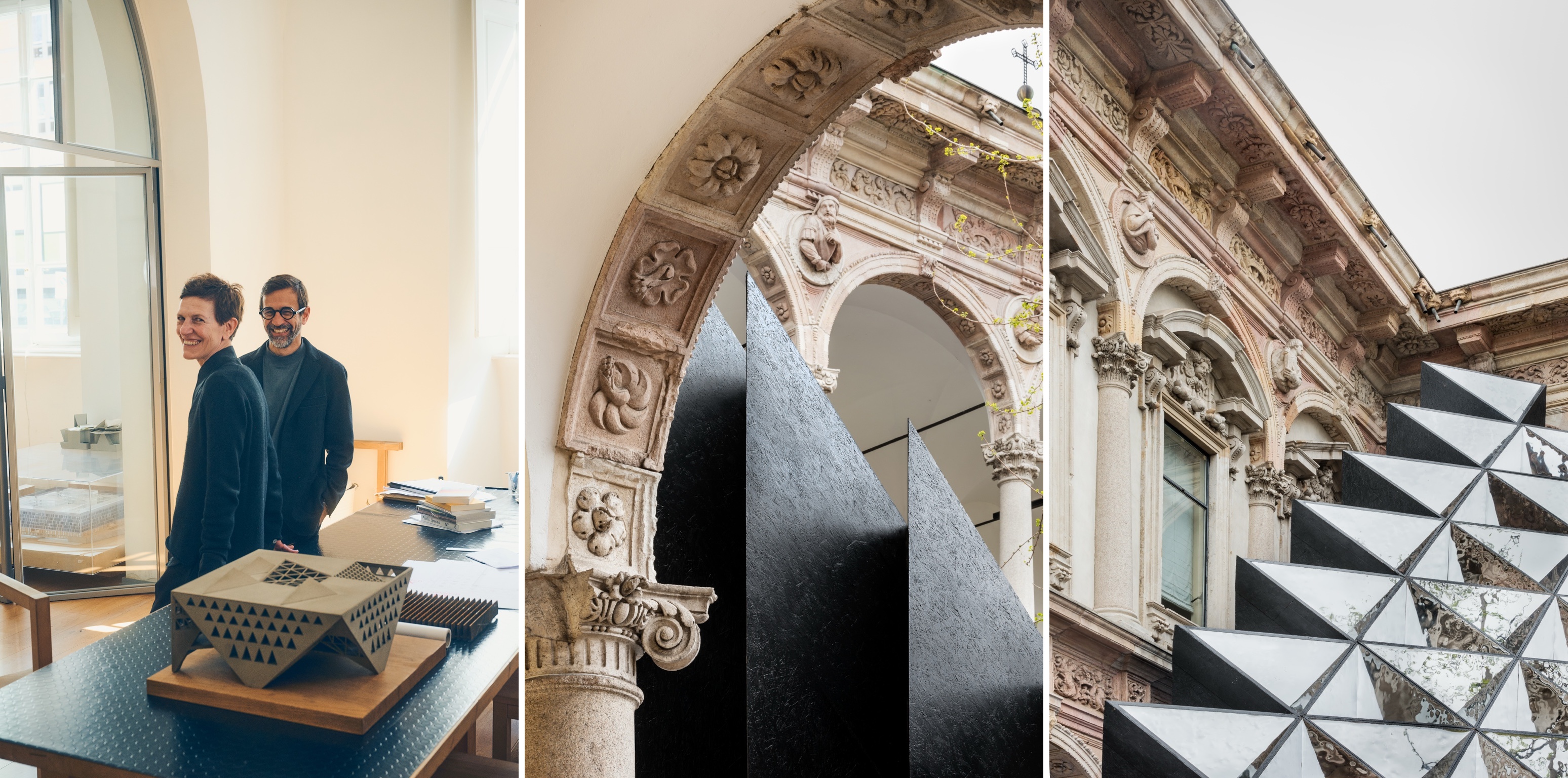
Labics © Urban Zintel | Visionair, Milan, IT © Marco Cappelletti, Courtesy Labics
THE EXHIBITION
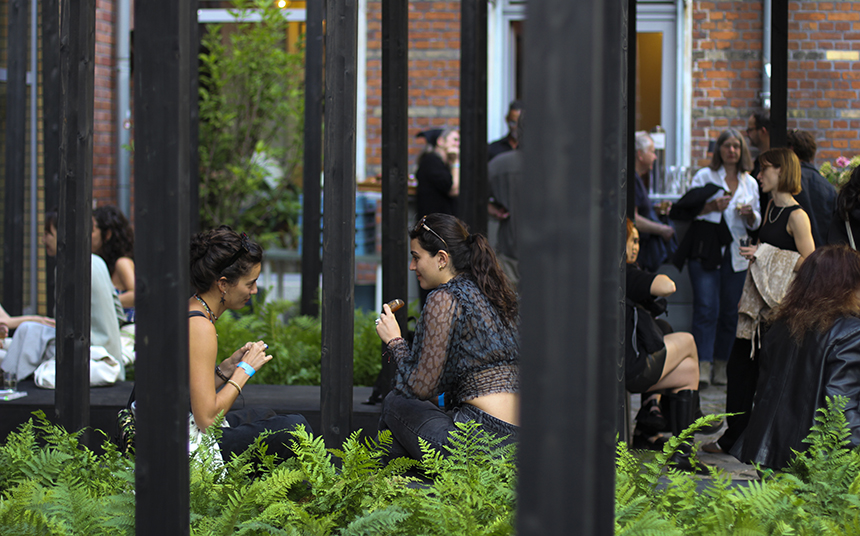
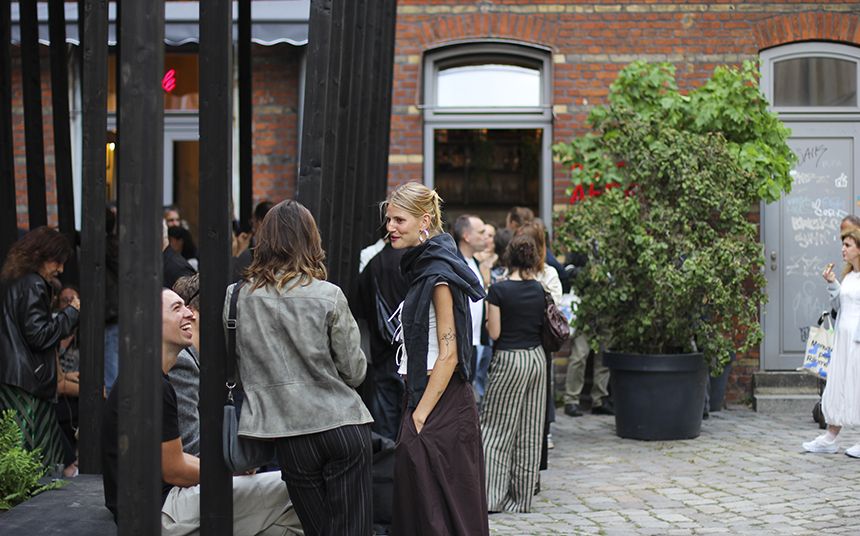
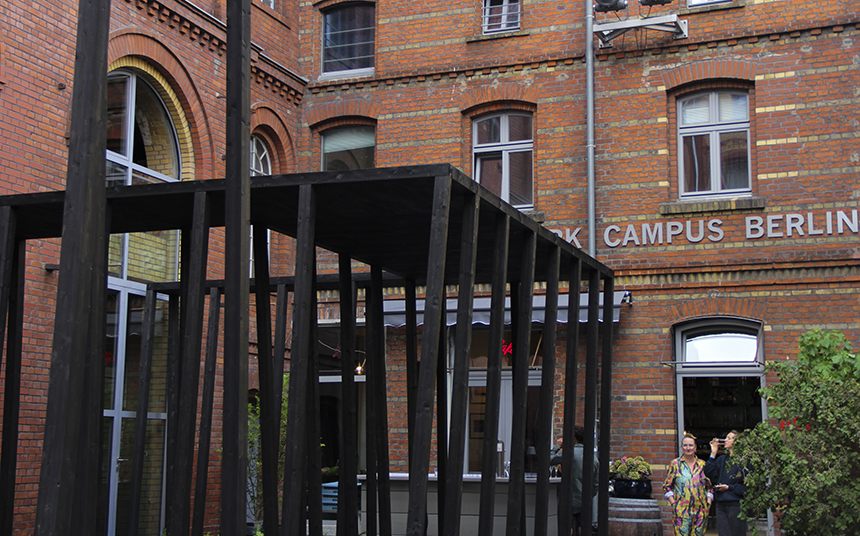
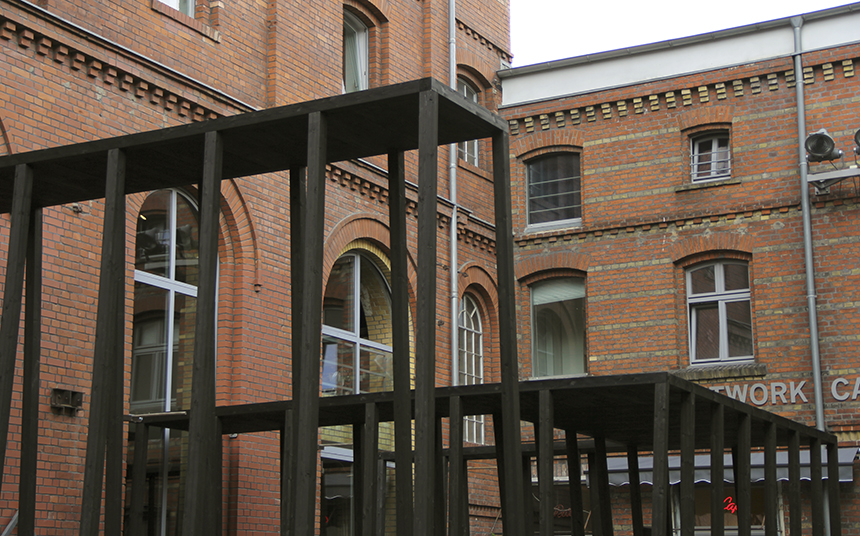
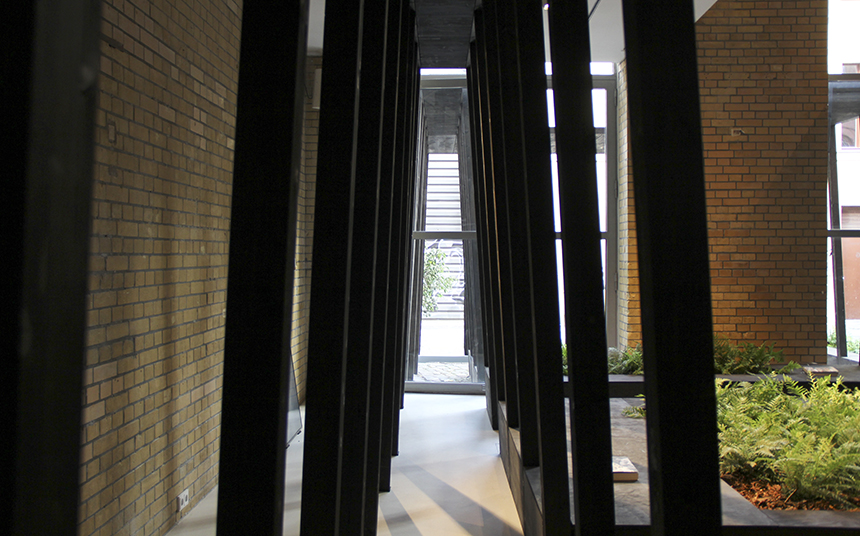
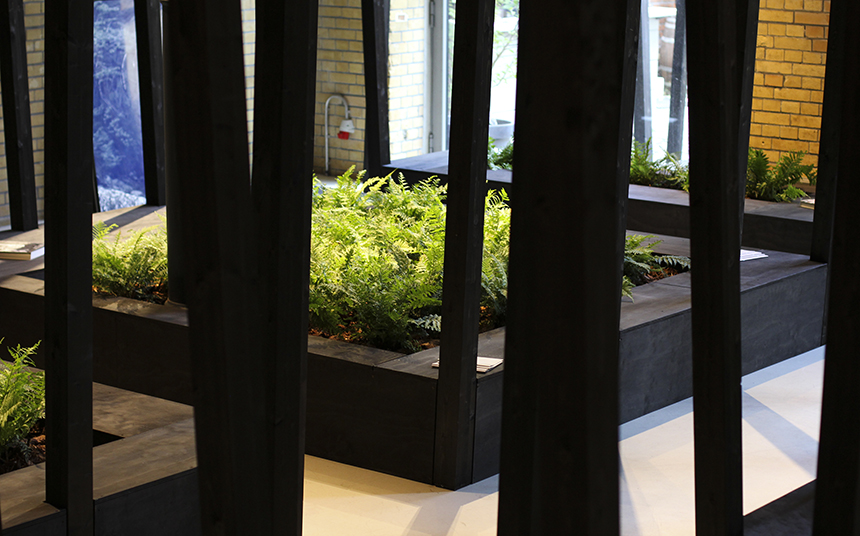
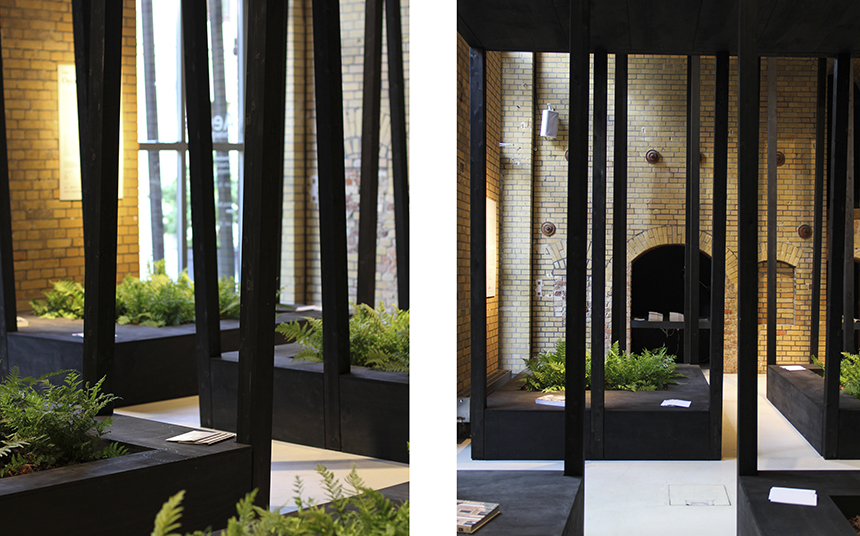
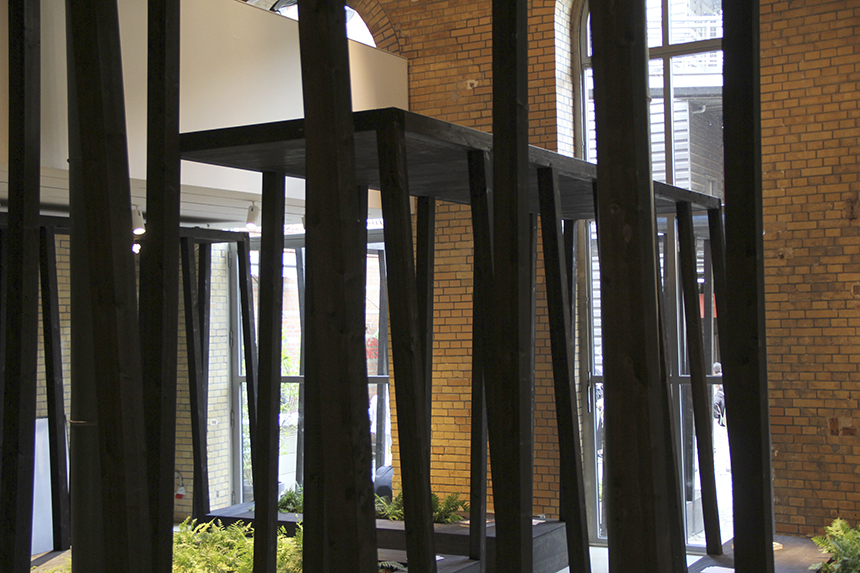
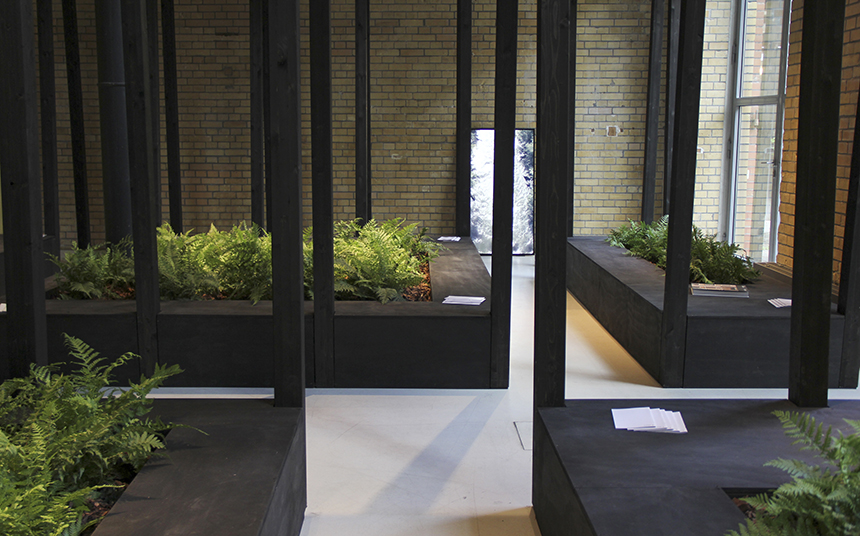
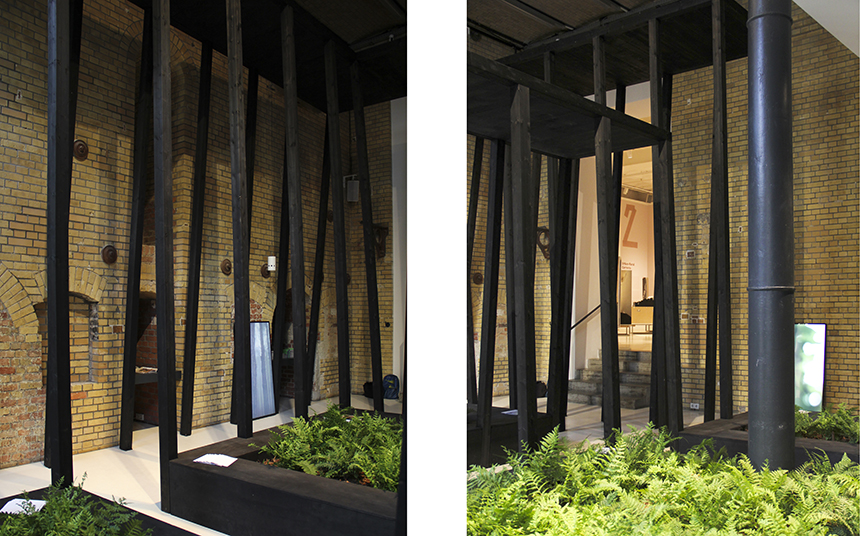
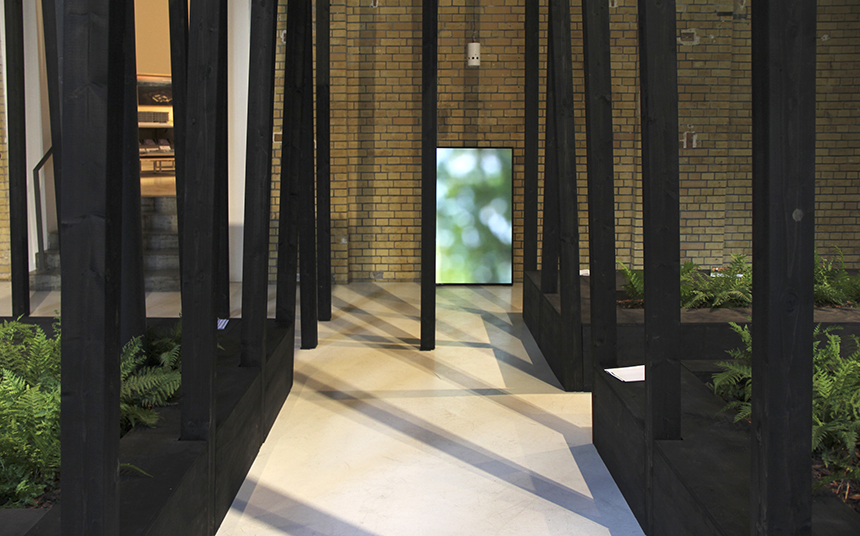
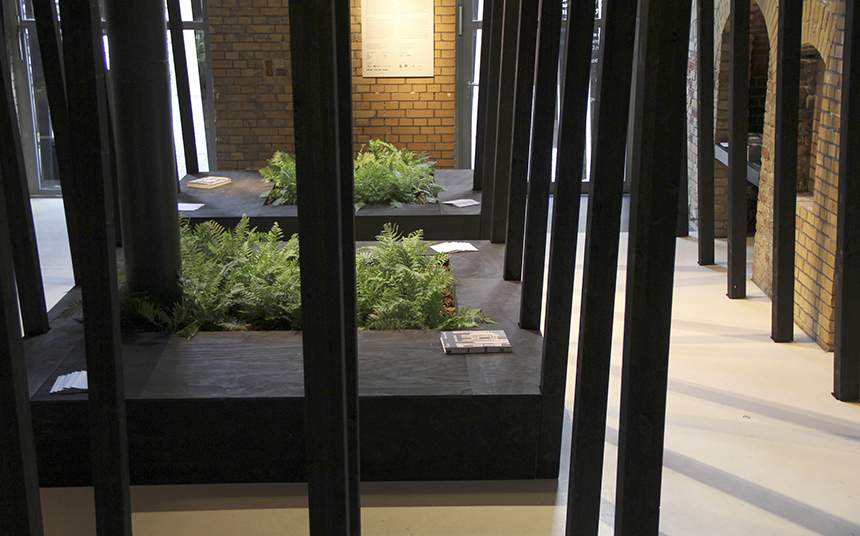
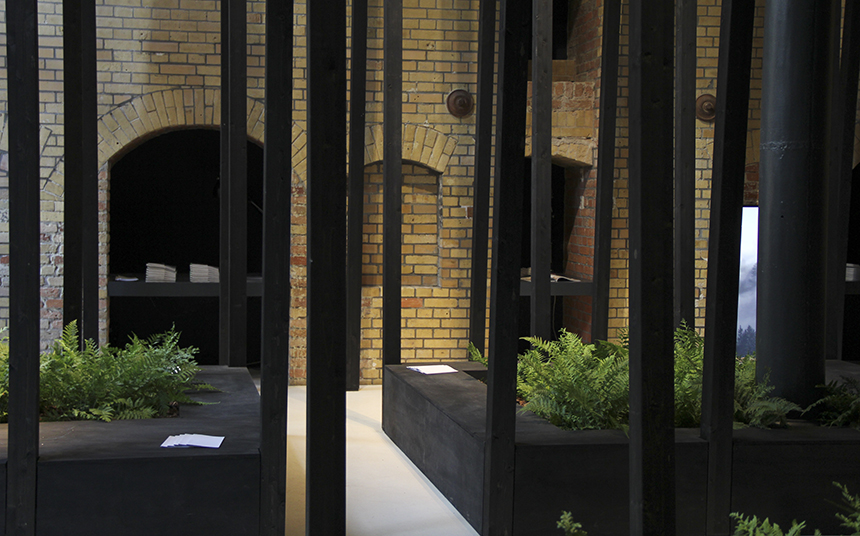
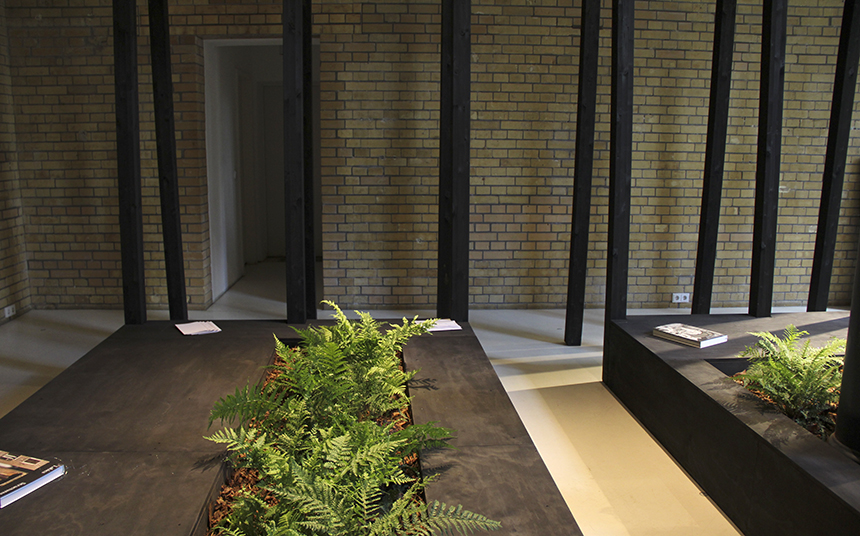
At Aedes, these reflections take physical form: a series of porticoes of varying thicknesses traverse the exhibition space, moving from inside to outside and vice versa. The result is a hybrid space, poised between natural and artificial, public and private, collective and individual; a space to be experienced and traversed, but also one that invites pause and contemplation. The exhibition asks what architecture can offer when limits are understood not as frontiers but as spaces of encounter – places that mediate between city and theindividual, and restore architecture’s role in shaping collective life. The limit becomes a device capable of creating and influencing interactions between people and a city's social dynamics; a structure that, by virtue of this privileged position, enriches the domain ofpublic space. Labics believes it is urgent and necessary to restore architecture to its rightful role in the construction of the city and public space, the heart of the civitas, especially in a historical moment like the current one in which the individual sphere seems to prevail over the collective.
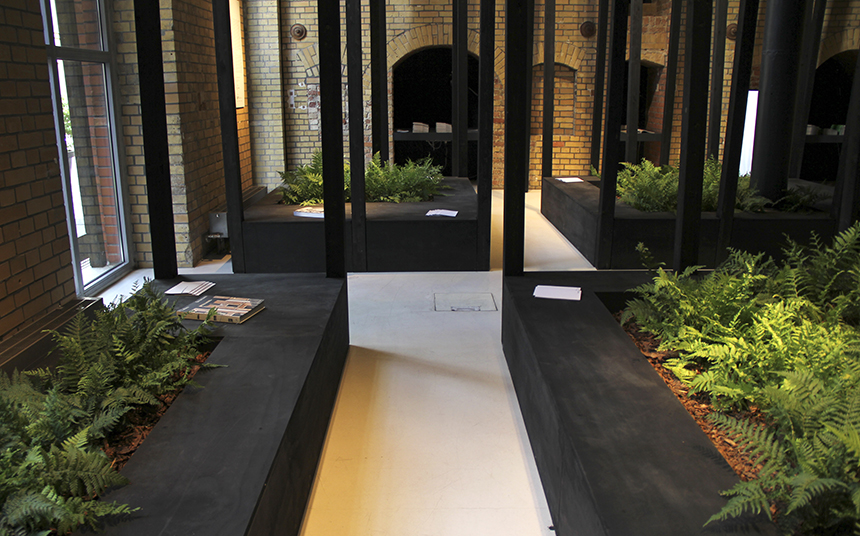
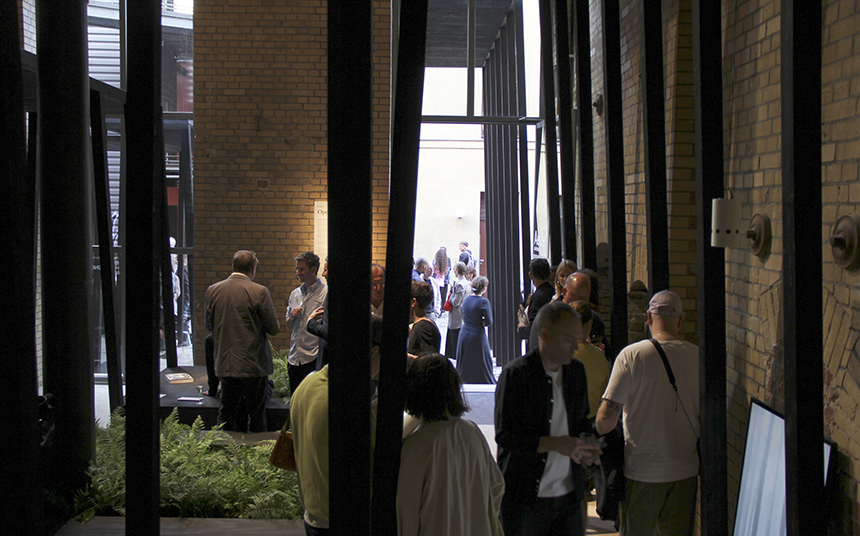
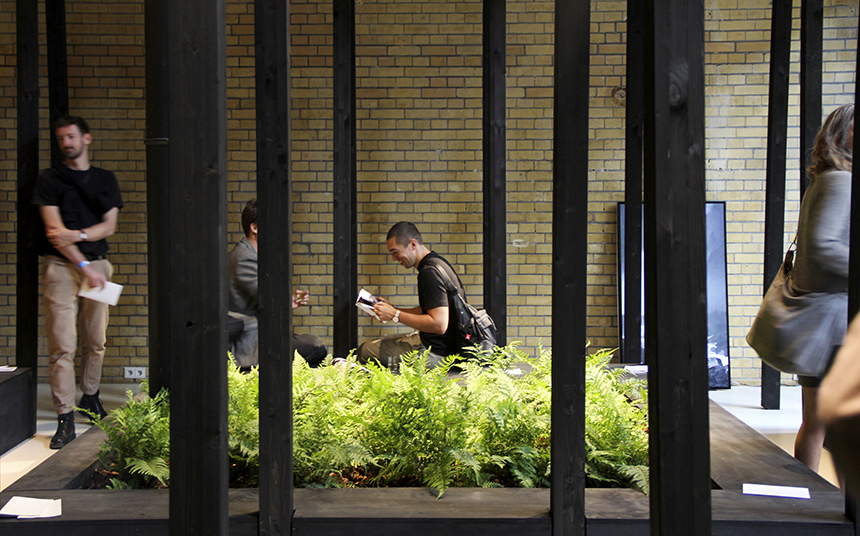
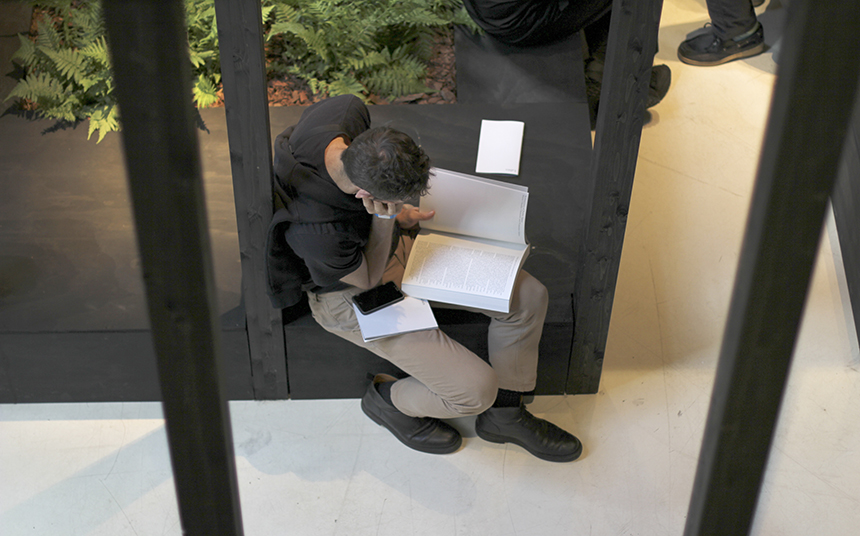
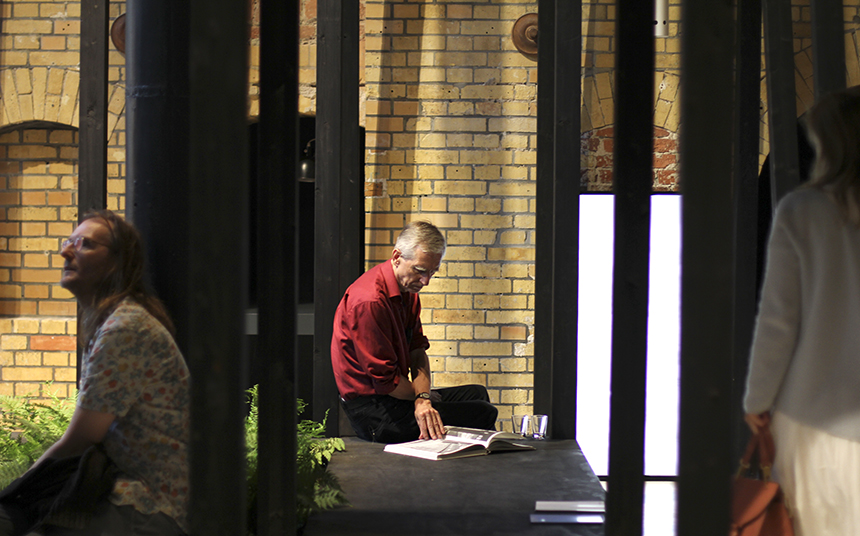
The installation on display at Aedes is a large, filigree, dark-wood structure that functions like a loggia, a passage to move through, based on Labics’ research into Italian piazzas and boundary spaces. The structure winds through the gallery and courtyard, blurring the line between inside and outside, and alternately concealing and revealing moments to sit, pause, and find oneself among plants and books.
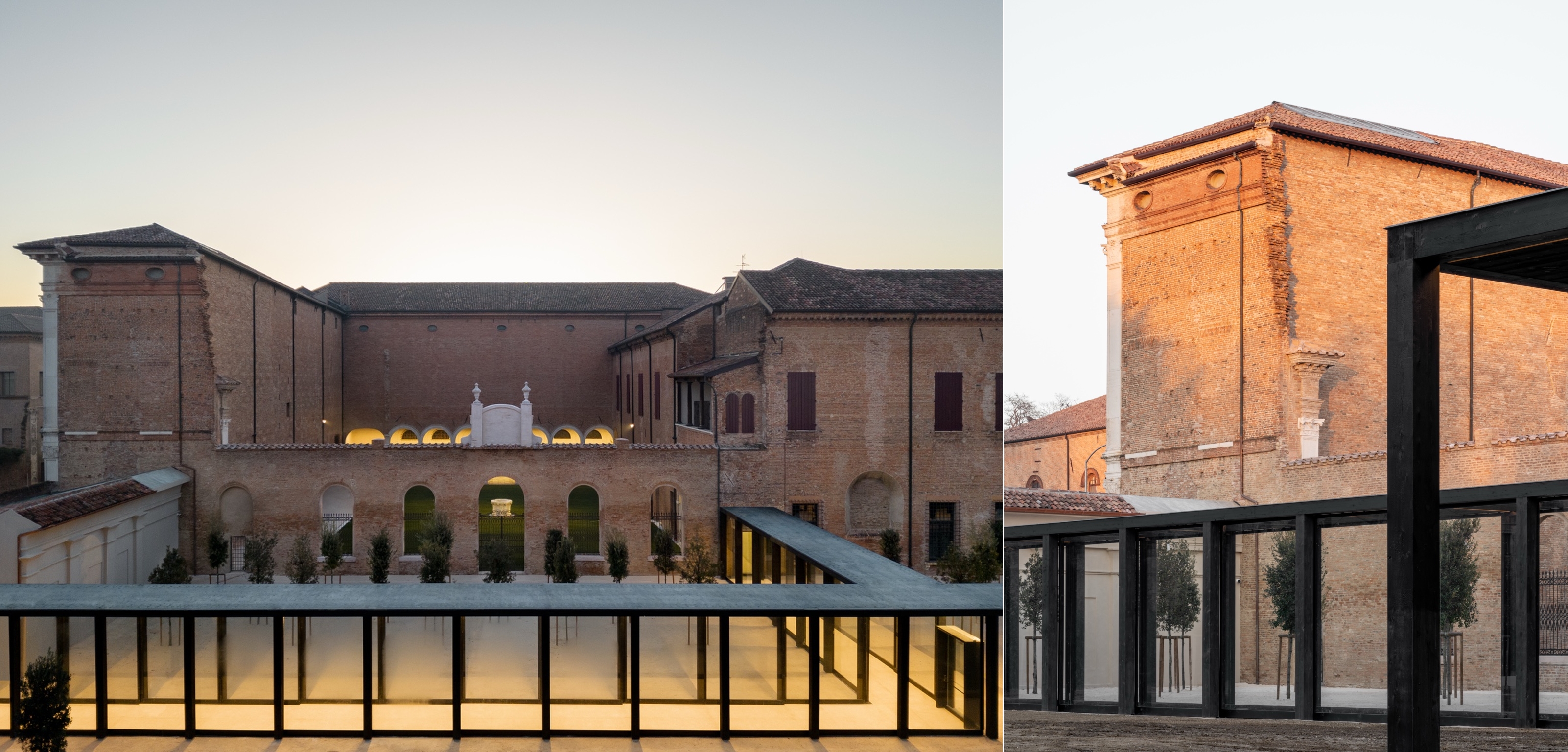
Palazzo dei Diamanti, Ferrara, IT ©Marco Cappelletti, Courtesy Labics
AW Architect Of The Year 2026
Since 2012, AW Architektur & Wohnen has been awarding the prize AW Architect of the Year to outstanding architects who provide new impulses for architecture, the city and people by means of original concepts and visionary design ideas. In 2026, the winners ofthe prize are Maria Claudia Clemente and Francesco Isidori, founders of Labics.
“With their innovative, research-based designs Maria Claudia Clemente and Francesco Isidori redefine the boundaries between architecture, public spaces and society. Labics considers architecture at all scales and takes the clear stance that every building forms part of a developable structure that must be open and accessible. They combine accurately calculated geometric patterns with carefully selected, contemporary materials and highest technical precision. At the same time with the utmost respect for what already exists they succeed in creating true beauty,” acclaims Karen Hartwig, Editor-in-Chief of AW Architektur & Wohnen. “Labics thus not only shapes buildings and public spaces, but are deeply committed to preserving and promoting Europe’s cultural heritage. For this exemplary position, we are honouring Maria Claudia Clemente and Francesco Isidori as AW Architects of the Year 2026 .”
AW Architektur & Wohnen, with its headquarters in Hamburg, is one of the leading magazines for architecture, design, living, garden design and travel in Germany. For sixty-nine years, the magazine has participated actively in cultural discourse, advocating forthe highest quality of architecture, interior architecture and product design.
Since 2012, the editorial team has presented the AW Architect of the Year award. With this recognition, the editorial team honours architects who set new impulses for architecture and cities through individual concepts and creative design ideas. Previous award winners include MVRDV, BIG and gmp, as well as the studios Dorte Mandrup, Snøhetta, Ké ré Architecture, Tatiana Bilbao Estudio, Sou Fujimoto, Christoph Ingenhoven and Jeanne Gang, who have exhibited at Aedes in Berlin on the occasion of being awarded the prize.
ABOUT LABICS
Labics is an architecture and urban design practice founded in Rome in 2002 by Maria Claudia Clemente and Francesco Isidori. Among its major completed projects are the MAST Foundation in Bologna, the Città del Sole complex and the CuBo university building in Rome, Piazza Fontana in Rozzano, the Jacaranda kindergarten in Milan and the restoration of Palazzo dei Diamanti in Ferrara. In 2026, the redevelopment of the Central Pavilion ofthe Venice Biennale was completed.
Currently under construction are the Uptown residential complex in Milan, the restoration of a block within the Crypta Balbi in Rome, the Archaeological Promenade of the Imperial Forums and the covering structure of a thermal complex at Capo di Bove. In 2021, Labics won the competition for the Colosseum’s New Arena floor.
Labics has exhibited its work on several occasions, including the 11th, 12th and 14th Venice Architecture Biennale, and has published the books Structures (Park Books, 2018), a reflection on the relationship between structure and architecture, and The Architecture of Public Space (Park Books, 2023) on theory and strategies for the design of public space.
An Aedes catalogue will be published.
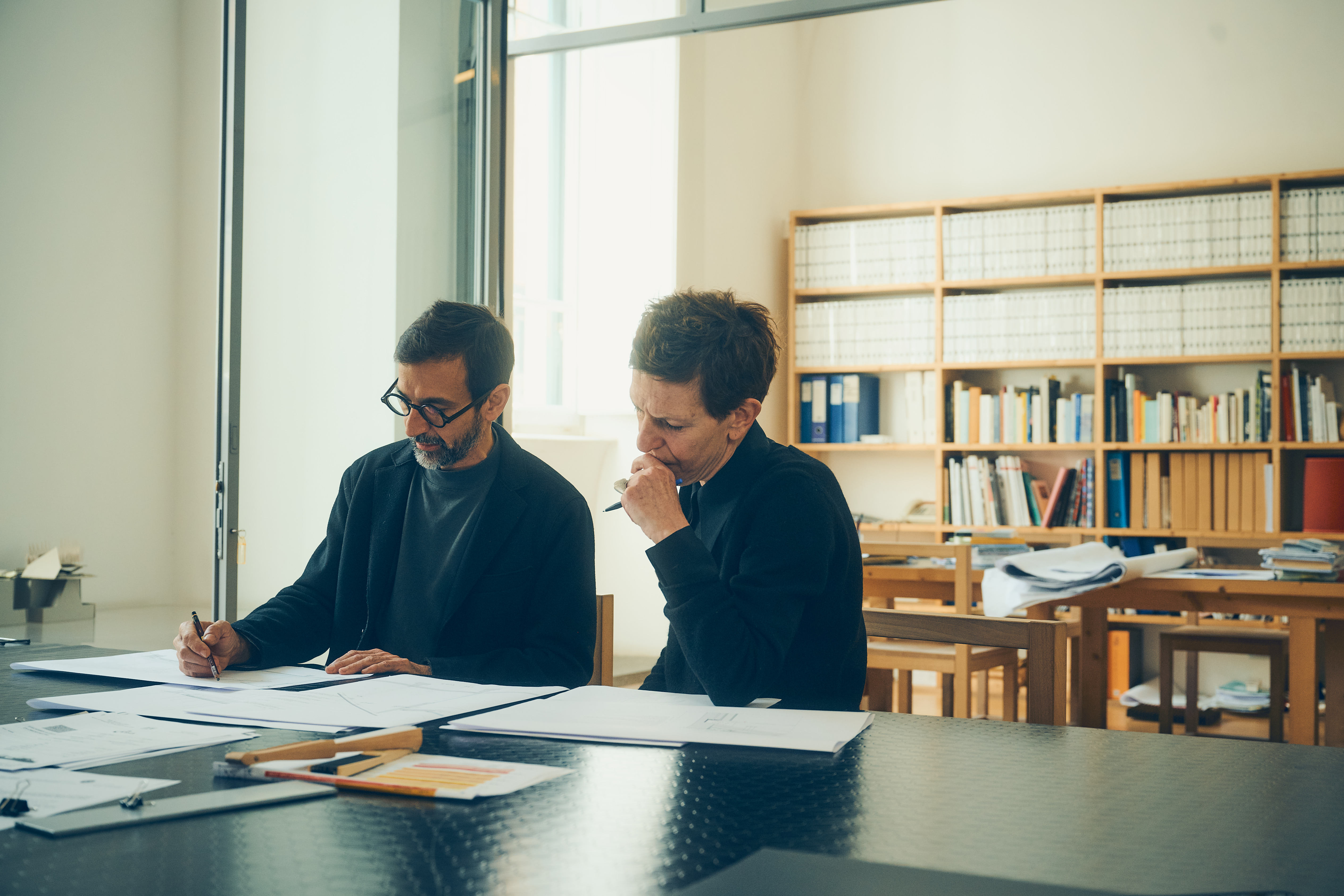
Labics © Urban Zintel
English, 10€
Order here